


Tips & Tricks

Embroidering on Screen Mesh: A See-Through Twist
Machine embroidery works on fine nylon screen mesh when it's hooped with wash-away stabilizer. Sandra stitched a design on mesh on 3 Things Live, then displayed it in a hoop with a light behind it. Metal wire screening never belongs in an embroidery machine.
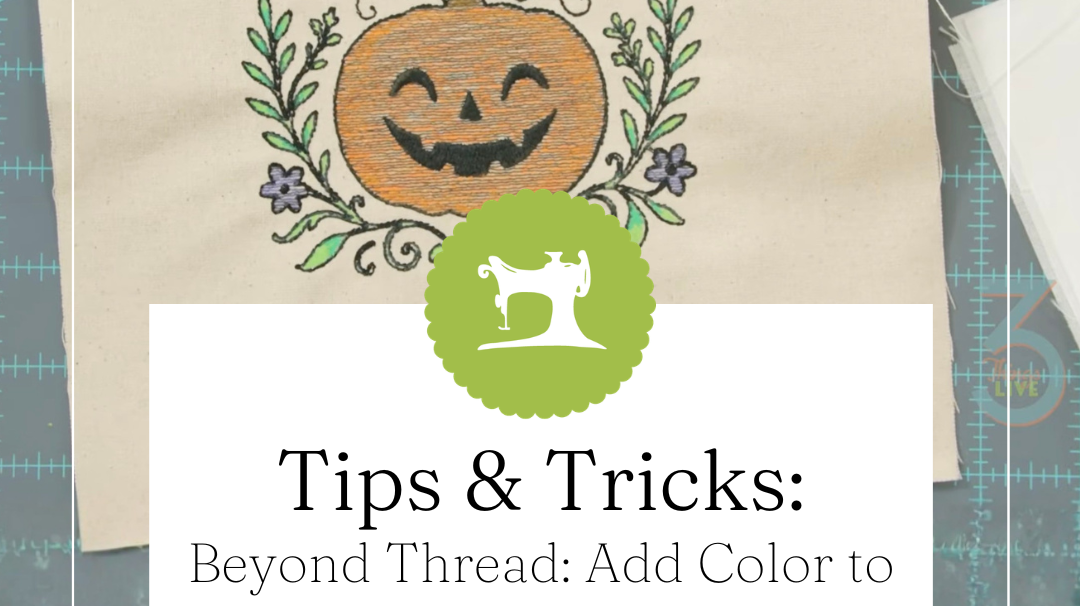
Beyond Thread: Add Color to Halloween Embroidery
A one-color, sketch-style Halloween embroidery design can double as a coloring page once it's stitched. Permanent markers, acrylic paint markers, and watercolor pencils each give a different look, and a few simple precautions keep the color where you want it.
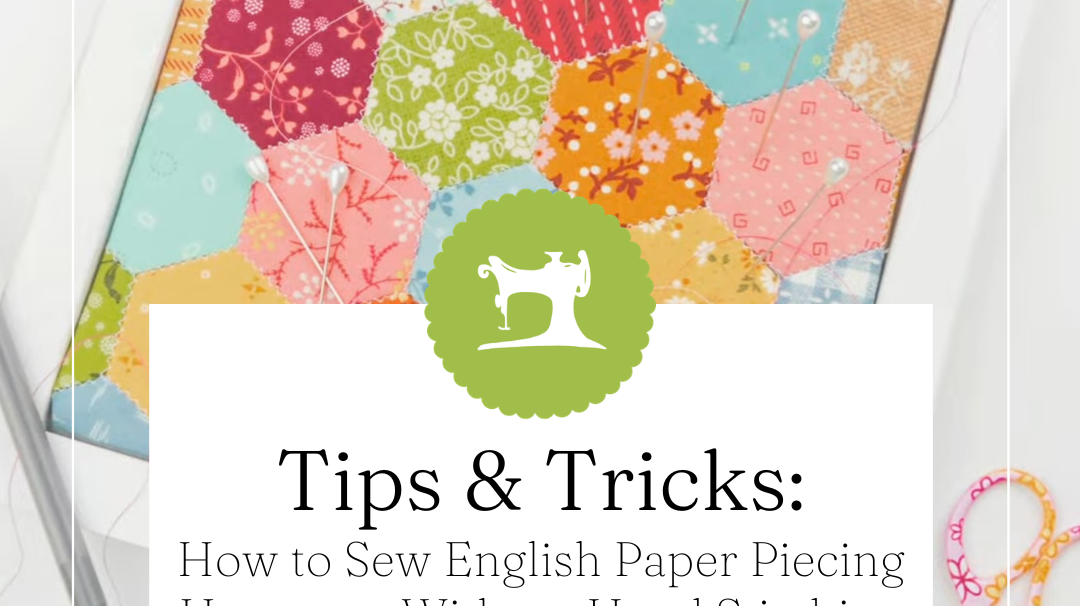
How to Sew English Paper Piecing Hexagons Without Hand Stitching
Traditional English paper piecing means hours of hand basting and whip-stitching, but fusible iron-on hexagon templates and a machine zigzag stitch let you get the same look without ever threading a hand-sewing needle.
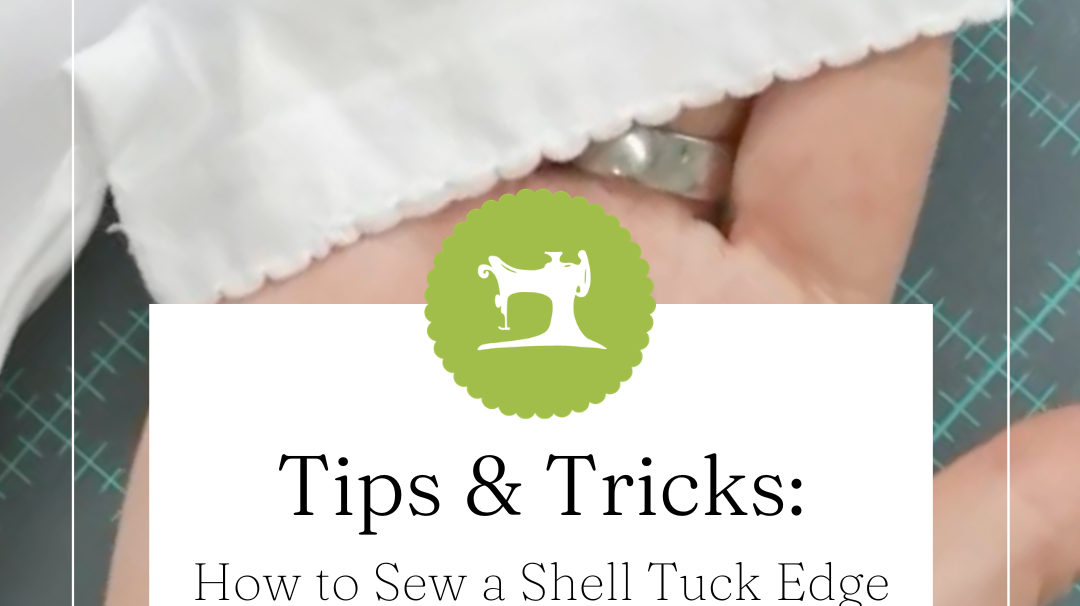
How to Sew a Shell Tuck Edge (Step-by-Step)
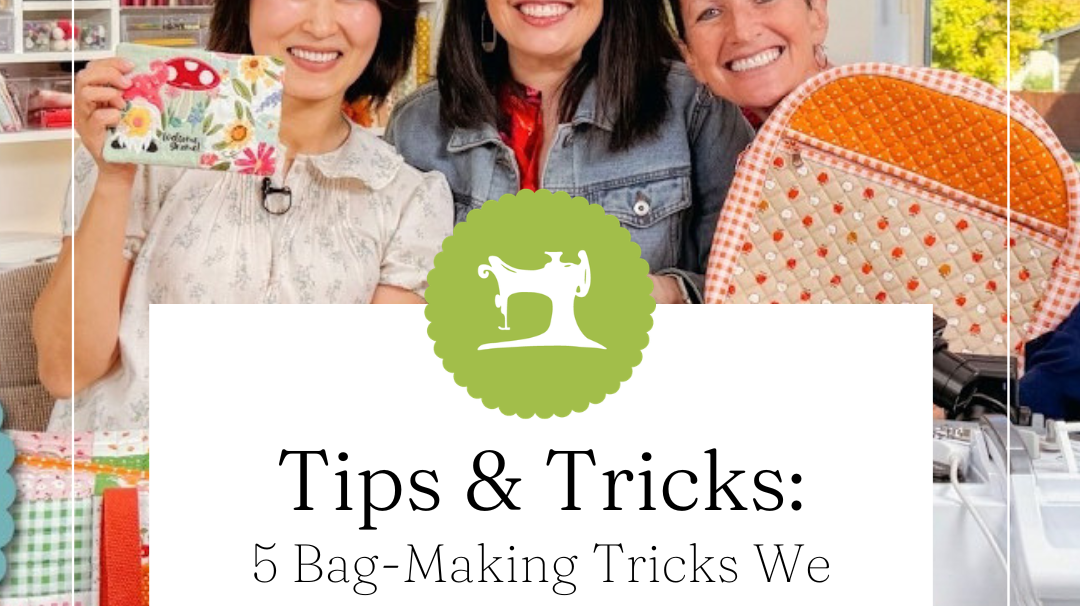
5 Bag-Making Tricks We Learned from Minki Kim
Designer Minki Kim shared a handful of useful bag-construction tricks on 3 Things Live, the kind of details that make the difference between a bag that looks handmade and one that looks store-bought.
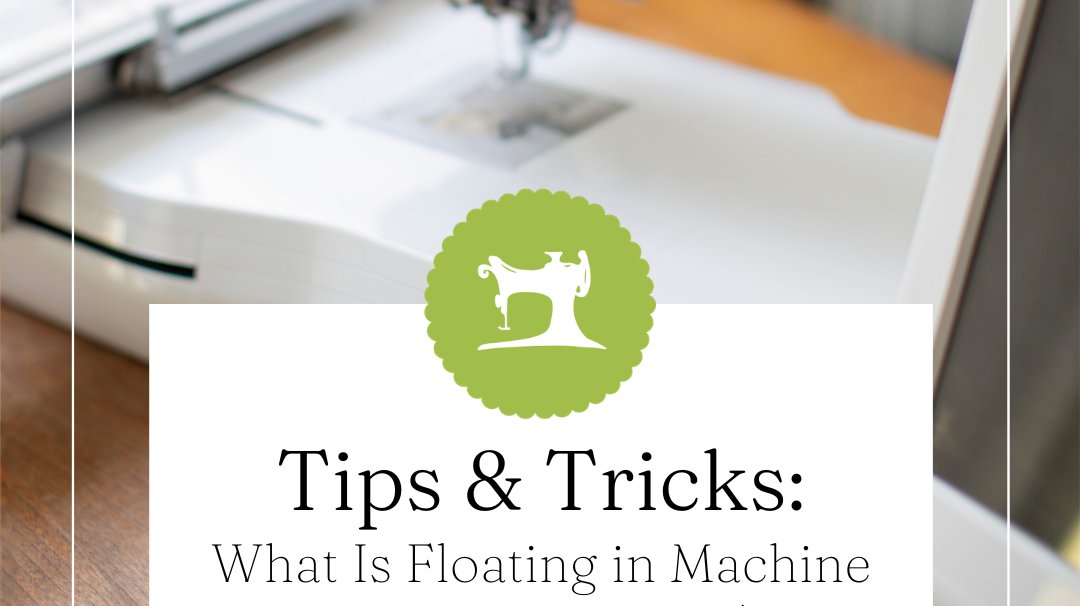
What Is Floating in Machine Embroidery? A Beginner's Guide
Floating means hooping the stabilizer alone and attaching your fabric on top of the hoop instead of inside it, a technique that protects delicate materials like velvet and knits from hoop marks while still letting your machine stitch a stable design.
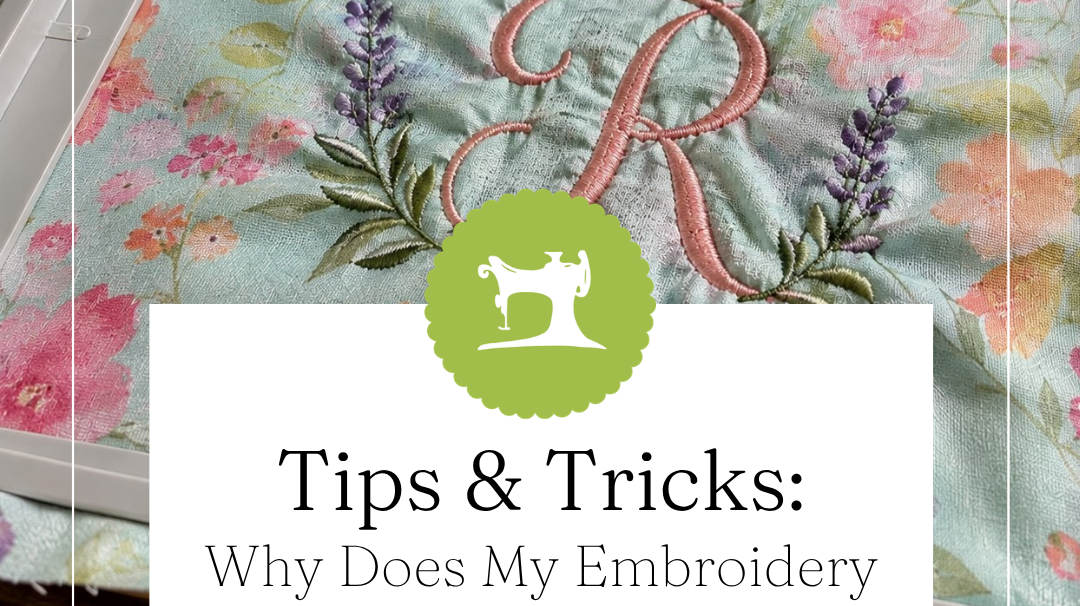
Why Does My Embroidery Pucker? (And How to Stop It)
Puckering almost always comes down to one habit: stretching fabric while it's hooped instead of simply pulling it taut. Here's how to tell the difference.
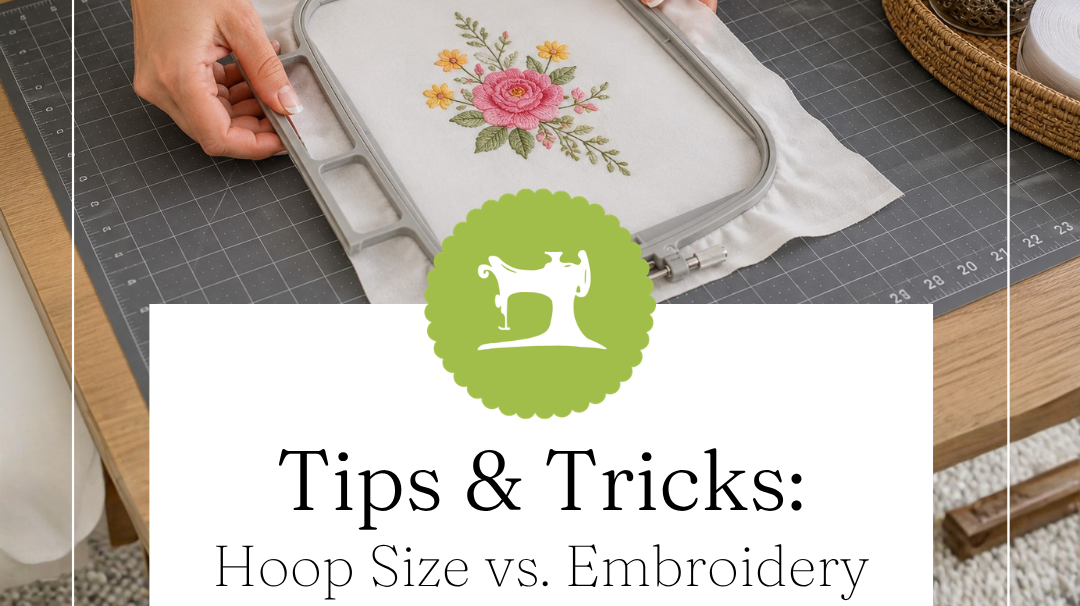
Hoop Size vs. Embroidery Field: What's the Difference?
A hoop's labeled size and its actual stitching area are two different numbers, and mixing them up is one of the most common reasons a design won't load.
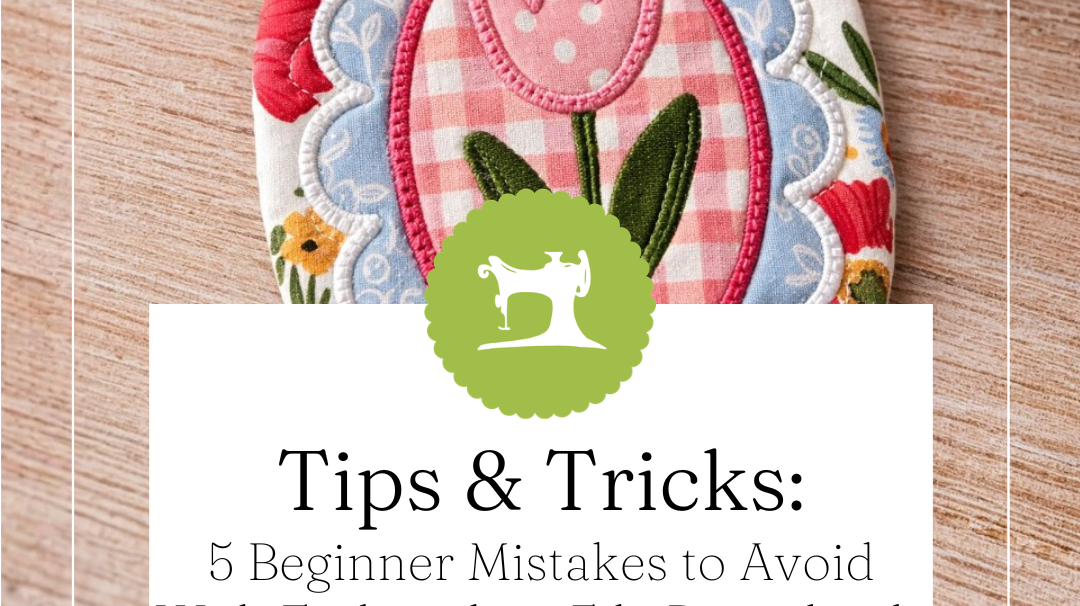
5 Beginner Mistakes to Avoid With Embroidery File Downloads
Five small habits separate a smooth embroidery download from a frustrating one. Here's what trips up most beginners, and how to avoid it.
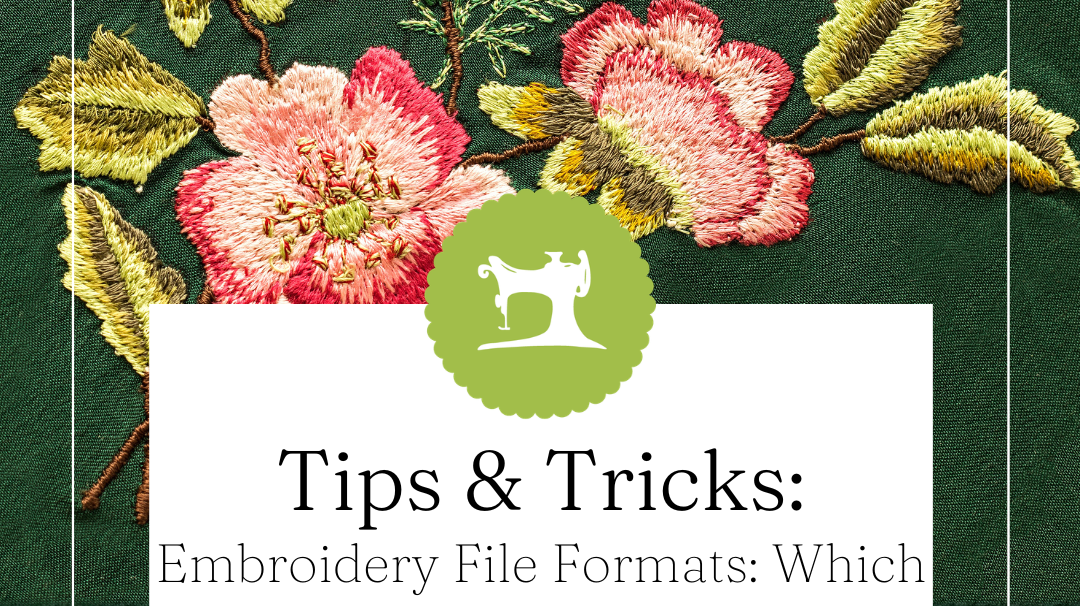
Embroidery File Formats: Which One Does Your Machine Use?
Every embroidery machine brand reads a different file format, and using the wrong one is the number one reason a design won't open. Here's a quick reference by brand.
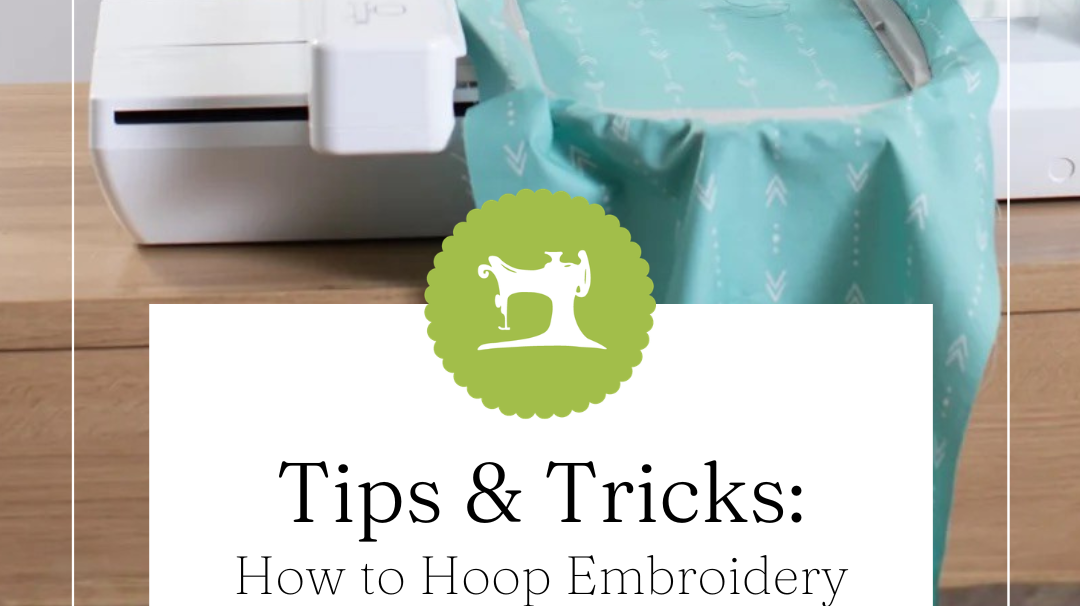
How to Hoop Embroidery Stabilizer the Right Way
Correct hooping comes down to a few repeatable steps — notch alignment, taut (not tight) tension, and a quick check on the underside before you stitch a single thread.
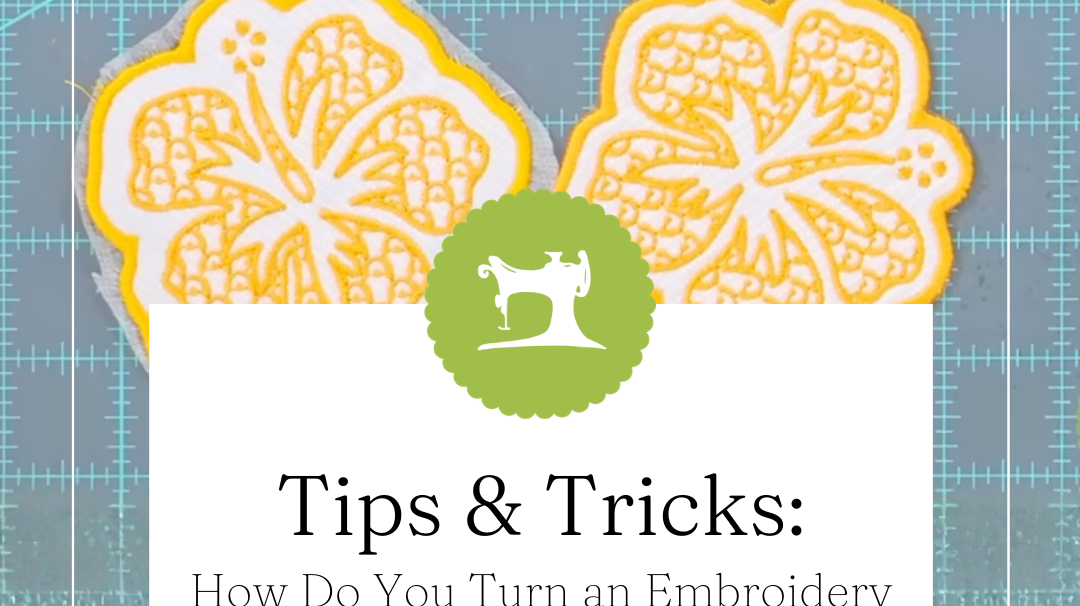
How to Make an Embroidery Patch With Auto Appliqué
Auto appliqué turns any embroidery design — built-in or loaded from a file — into a finished patch using two hoopings, two stabilizers, and one very handy button.